
ManageEngine Solutions
Technical solutions that bring your IT operations into a centralized, transparent, and measurable management standard with the ManageEngine ecosystem.
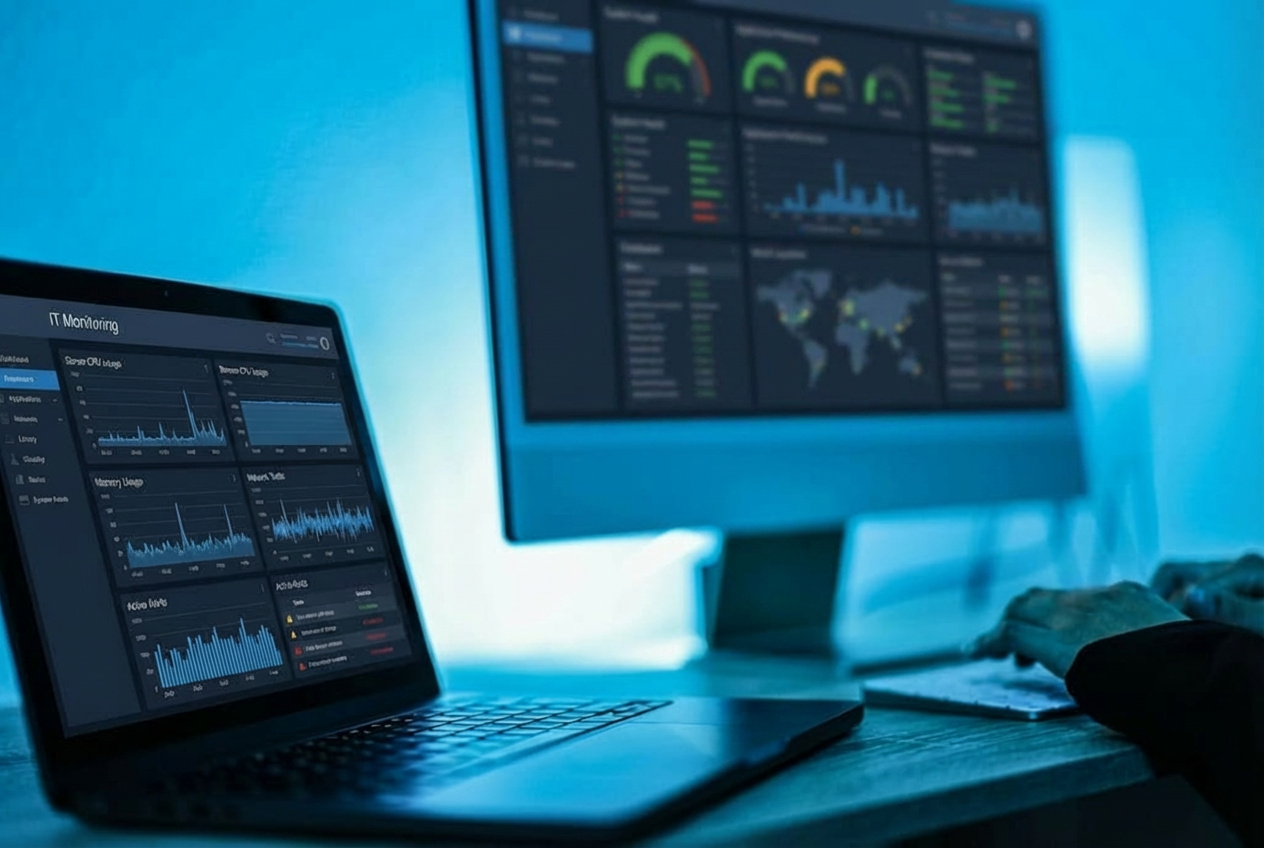
Infraserve integrates the ManageEngine ecosystem end-to-end into your corporate infrastructure, ensuring that your IT processes are managed within a centralized framework, operational efficiency is increased, and an auditable system architecture is established.
As the complexity of IT infrastructures increases, maintaining these systems in a centralized, traceable, and reportable structure has become an operational necessity. ManageEngine is an integrated software ecosystem that enables the technical management of processes required by modern IT departments, such as service management, infrastructure monitoring, endpoint control, and security auditing. The ManageEngine modules required by your business are configured under the following headings using the methods most suitable for your existing infrastructure and business objectives:
1. ServiceDesk Plus: IT Service Management (ITSM)
IT operations are elevated from a standard help desk workflow and transformed into a service center compliant with ITIL standards.
-
Incident and Problem Management: It ensures the prioritization of requests and the generation of permanent technical solutions through root cause analysis.
-
Asset Management: Hardware and software inventories are tracked; license compliance and lifecycles are audited by mapping the relationships between assets.
-
Change Management: Infrastructure updates are managed to progress within a planned workflow through risk analysis and approval processes.
2. OpManager: Infrastructure and Network Performance Monitoring
It is a monitoring solution that tracks the performance and availability of network resources through a single dashboard.
-
Real-Time Performance Analysis: Metrics of servers, switches, and storage units are monitored to detect potential bottlenecks. Notifications are sent before disruptions occur through alert mechanisms structured over threshold values.
-
Network Topology: Physical and logical links between devices are made transparent through the automatic mapping of the infrastructure.
3. Endpoint Central: Unified Endpoint Management (UEM)
The management of desktops, mobile devices, and servers is tied to a centralized automation.
-
Automated Patch Management: Updates for operating systems and third-party applications are managed centrally.
-
Software and Inventory Control: While remote deployment processes are managed, software utilization rates and license statuses are audited.
4. Identity and Access Management (ADManager Plus & ADSelfService Plus)
These are tools that simplify management processes on Active Directory and increase user productivity.
-
Directory Management: Operations such as user creation and provisioning are accelerated through bulk workflows.
-
Secure Access and Password Management: While login security is enhanced with Multi-Factor Authentication (MFA), the workload of IT teams is reduced by enabling users to self-reset their passwords.
5. Log360: SIEM and Audit Compliance
The processes of logging and analyzing movements within the IT infrastructure are performed centrally.
-
Technical Regulatory Alignment: Meeting the technical traceability and log management requirements demanded by regulations such as KVKK, GDPR, and ISO 27001 is ensured.
-
Operational Visibility: Activities across the infrastructure are transformed into meaningful reports, providing the technical data evidence required for audit processes.
 Through ManageEngine solutions, a management foundation is established where all operational processes within the IT infrastructure are consolidated into a centralized architecture, and every step is traceable and auditable.
Frequently Asked Questions
How do ManageEngine solutions simplify IT infrastructure management?
By combining disparate processes such as service management, infrastructure monitoring, and security auditing into a single ecosystem, they enable all systems to be managed within a centralized, traceable, and reportable framework.
How do SIEM and log management contribute to technical regulatory compliance?
They meet the technical traceability requirements demanded by regulations such as KVKK and ISO 27001; by transforming infrastructure activities into meaningful reports, they provide the necessary data evidence for audit processes.
How do endpoint and identity management increase operational efficiency?
By automating patch management and enabling users to self-reset their passwords, they reduce the workload of IT teams and ensure that systems remain up-to-date at all times.
Our Solution Partners