
Application Virtualization
Centralized and high-performance application virtualization solutions that make your applications accessible from any device.
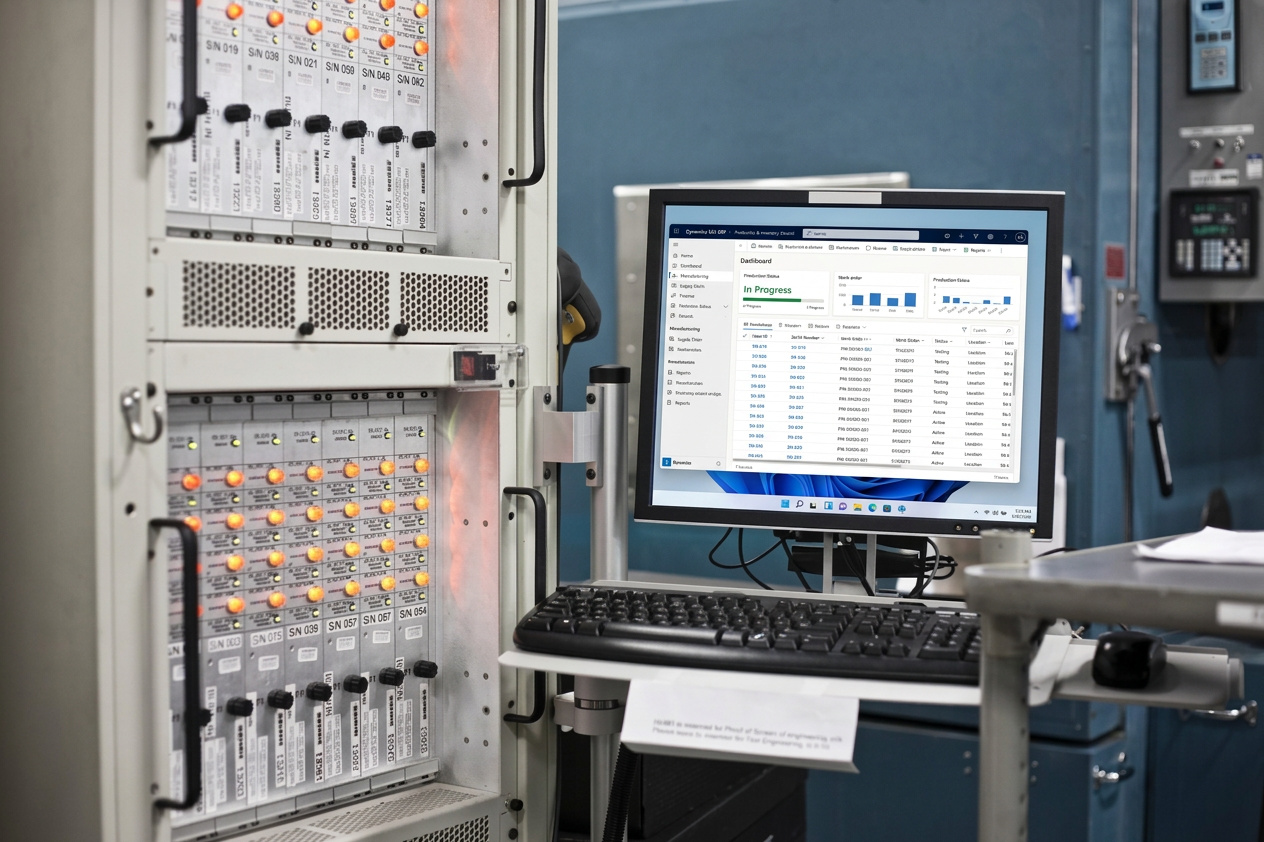
Infraserve integrates application virtualization technologies into your infrastructure, ensuring that your software deployment processes gain centralized, secure, and device-independent flexibility.
Application virtualization is a technology where corporate software is decoupled from the local operating system and physical hardware, and delivered to users as a service over a centralized server. While eliminating the necessity of installing applications on each device individually, this architecture resolves operating system compatibility issues and allows workflows to be maintained without being hindered by device restrictions.
The processes carried out to manage applications within a centralized, secure, and high-performance structure encompass the following technical phases:
-
Application Isolation and Conflict Management: Different application versions that normally cannot run together on the same operating system are executed seamlessly thanks to isolated layers.
-
Centralized Application Deployment and Updates: Instead of being installed on each user's computer individually, applications are configured at a centralized point. Updates and patches are reflected to all users simultaneously from a single center.
-
Operating System Independence: Applications can be executed without being hindered by the restrictions of the existing operating system. In this way, the utilization of legacy applications on modern systems is made technically possible.
-
Endpoint Resource Optimization: Since the processing power required by the application is met on the server side, a high-performance working environment is ensured even on endpoint devices with low hardware specifications.
-
Data Security and Access Control: Application data is not left on local devices; it is maintained in the centralized data center. Access to applications is restricted and brought under control through user-based provisioning.
 Application virtualization moves software management beyond an installation process and transforms it into a centralized delivery service. Overcoming hardware constraints, this technology delivers a stable and secure user experience across devices of all sizes.
Frequently Asked Questions
What is the difference between application virtualization and VDI (Desktop Virtualization)?
While the user's entire desktop and operating system are virtualized in VDI, only a specific application (such as an ERP or accounting software) is virtualized and delivered to the user in application virtualization. This provides lower resource consumption on the server side and a more specific management approach.
Can every application be virtualized?
Technically, a large portion of business applications are suitable for virtualization architecture; however, a preliminary evaluation is required for software that demands direct access to specific hardware components (physical dongles, proprietary drivers, etc.) or whose licensing models do not permit virtualization.
Does a virtualized application perform like a local application?
When resource allocations within the server infrastructure where the application runs and network bandwidth are engineered correctly, the user obtains an experience indistinguishable from a local application. Processor and memory resources on the server side are dynamically shared among users actively utilizing the application, ensuring that performance remains stable.
Our Solution Partners